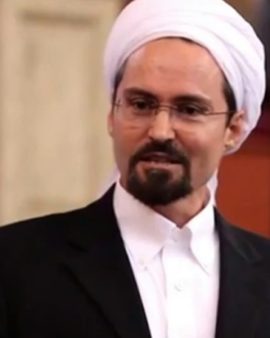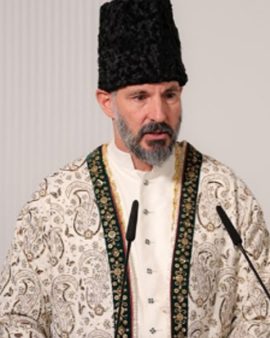

Imran Nazar Hosein: Faith, Prophecy, and the Politics of the Modern World
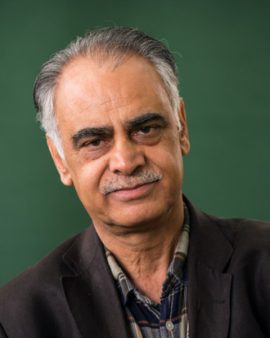
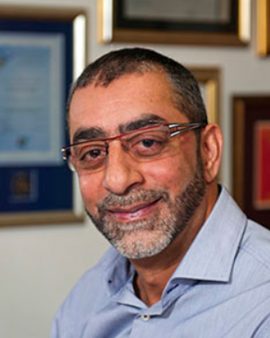
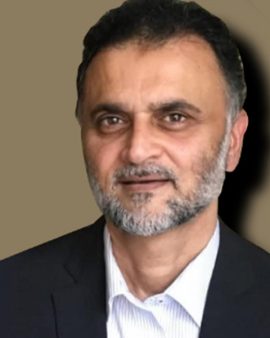
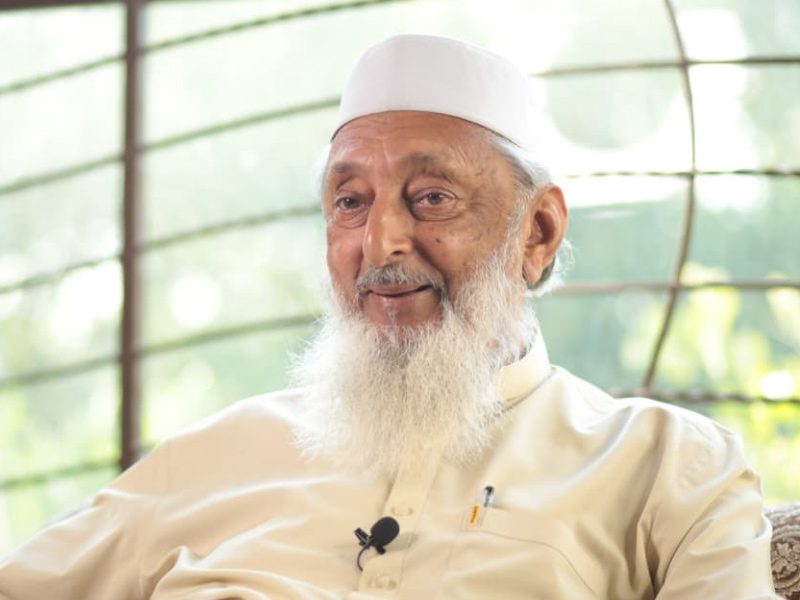
Imran Nazar Hosein (born 1942) is a Trinidadian and Tobagonian Islamic preacher, author, and independent thinker known for his distinctive interpretations of Islamic eschatology and his sharp critiques of modern global politics and economic systems. For decades, Hosein has occupied a unique space in contemporary Islamic thought—drawing devoted followers for his uncompromising worldview while simultaneously provoking debate and criticism within scholarly circles.
Born into an Indo-Trinidadian Muslim family in Trinidad and Tobago, Hosein’s intellectual formation was shaped by both classical Islamic learning and modern academic disciplines. He studied Islamic theology under the renowned scholar Dr Muhammad Fazlur Rahman Ansari at the Aleemiyah Institute of Islamic Studies in Karachi, Pakistan. He later pursued postgraduate studies in philosophy at the University of Karachi, international relations at the University of the West Indies, and further advanced studies at the Graduate Institute of International Studies in Geneva. This blend of religious scholarship and global political education would later define his work.
Hosein is widely known for his writings and lectures on Islamic eschatology—the study of end-times—particularly as it relates to contemporary geopolitics. His book Jerusalem in the Qur’an is among his most well-known works, arguing for the central religious and geopolitical significance of Jerusalem in Islamic prophecy. His lectures often connect Qur’anic narratives and prophetic traditions to present-day global power structures, economic systems, and conflicts.
Firmly opposed to sectarian labels, Hosein rejects identification with established schools or movements within Sunni Islam. He has repeatedly stated that he does not align himself with Barelvi, Deobandi, or Wahhabi traditions, while expressing respect for what he considers authentic Sufi scholarship. His positions on religious practice, including music and cultural expression, reflect a selective and interpretive approach rooted in his understanding of Islamic sources.
Politically and economically, Hosein is a vocal critic of the modern global financial order. He strongly opposes fiat currency, describing it as exploitative and unjust, and advocates a return to what he terms “Sunnah money” based on gold and silver. He has also expressed opposition to modern feminist movements and has taken controversial stances on international issues, including skepticism toward widely reported human rights narratives and open support for anti-imperialist political figures such as Hugo Chávez.
These views have made Hosein a polarizing figure. Several Islamic scholars have issued strong critiques of his interpretations, accusing him of rejecting scholarly consensus and misrepresenting established hadith traditions. Fatwas discouraging Muslims from engaging with his lectures have been issued by critics, and he has faced bans from speaking engagements in certain mosques and countries. In October 2025, he was denied entry into Albania and returned by authorities upon arrival.
Yet, for his followers, Imran Nazar Hosein represents an uncompromising voice challenging dominant global narratives and urging Muslims to rethink modernity through a prophetic lens. Whether viewed as a visionary or a controversial dissenter, his influence lies in his ability to provoke reflection, debate, and deep questioning—ensuring his place as one of the most debated Muslim thinkers of the modern era.